How to organize the delivery of event equipment?
A well-organized delivery is the key to a stress-free reception. From defining needs to equipment collection, every step deserves special attention to ensure that tables, marquees, lighting, and technical equipment arrive at the right place, at the right time. Here is the complete guide from André Loc'Events for coordinating your delivery with total peace of mind.
Defining your needs precisely before delivery
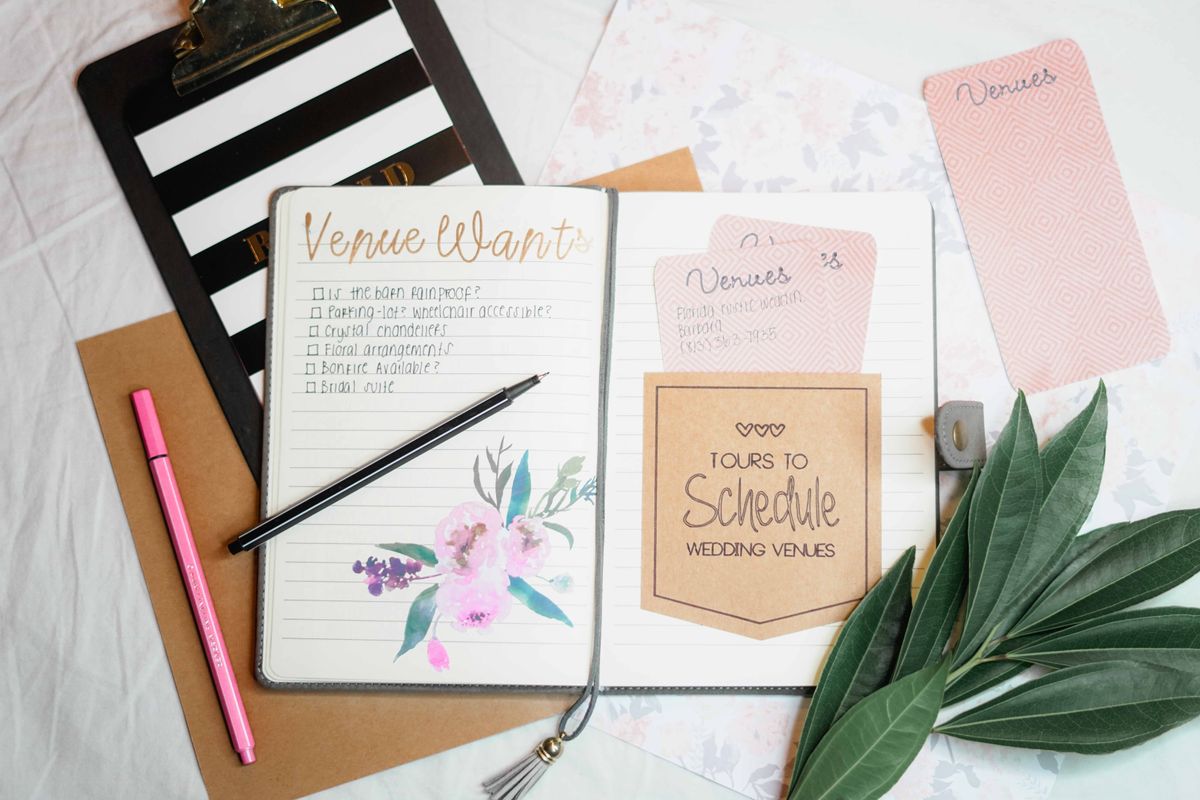
Before setting a delivery slot, create a complete list of equipment needed for your reception. This list should account for the number of guests, the venue and the event flow: tables, chairs, high tables, marquee, garden furniture, lighting, sound systems, video projectors, screens, gas heating or refrigeration equipment. An exhaustive list allows you to check the quote point by point and quickly verify quantities during unloading. Also, remember to separate equipment intended for guests from those reserved for the caterer or technicians: this distinction greatly facilitates the distribution of equipment on-site.

The checklist, your best ally
A detailed list is much more than just a simple reminder: it is the reference document used during the order, delivery and return of the equipment. For each item, indicate the exact quantity, dimensions if necessary (especially for the marquee), and specify which service provider it is for. This document, shared between you, your rental company and other stakeholders, ensures smooth coordination on the big day.
Providing the right information to your provider
For a delivery to go smoothly, your provider must have all the useful information well in advance. An incomplete address, an approximate schedule or poorly described access are the primary causes of delays. Systematically communicate: the full address, the venue name, the name and phone number of a contact person on-site, the desired date and time, access constraints, the planned unloading location and parking information. If the location is hard to identify, add a landmark, directions to a secondary entrance or details about the gate. For an estate or large property with several entrances, it is imperative to specify the entrance suitable for large vehicles.
Checking access and preparing the unloading area
Access to the venue must be wide and clear enough to allow the truck or utility vehicle to maneuver and unload the equipment. Check gate width, available height, ground type, and the presence of slopes, stairs, trees or cables. Soggy ground or a very steep driveway can significantly complicate operations. The unloading area itself must be completely clear on the day of delivery: no parked cars, no stockpiled supplies. Provide a stable surface, an unobstructed path and someone to guide the driver. If the equipment must travel a long distance between the vehicle and the reception area, plan for a support team or an intermediate drop-off point.
Communicate
Provide the full address, schedules, access constraints and contact details of an on-site manager well before the delivery.
Check
Check each item upon receipt: quantities, equipment condition, cables, mounts and technical equipment, with delivery note in hand.
Coordinate
Appoint a manager dedicated to the delivery and ensure clear coordination between providers, installers and other stakeholders.
Choosing the right delivery time
The delivery schedule must be compatible with the setup plan and the arrival of guests. Delivery the day before the reception or several hours before the event starts offers the most convenience: it leaves time to set up the marquee, position furniture, test technical equipment and manage any unexpected issues. Avoid at all costs a delivery too close to the start of the reception: a delay or setup difficulty could directly disrupt guest arrival. If the venue imposes specific access slots (community hall, private estate), take them into account at the time of booking.
| Delivery time | Advantages | Points to watch out for |
|---|---|---|
| The day before the reception | Maximum time for setup and testing | Secure the venue for the night |
| The morning of the event (early) | Full day to get organized | Mobilize teams at dawn |
| Several hours before guests arrive | Good flexibility if everything is planned | Little room for error in case of unforeseen issues |
| Just before the reception | To be avoided at all costs | Risk of delays and major stress |
Designate a person in charge and monitor deliveries
A dedicated person must be available during delivery. They will welcome the service provider, indicate the planned location for each piece of equipment, and verify quantities using the delivery note or quote. This individual must be familiar with the setup plan, equipment list, temporary storage area, and assembly schedule. Avoid assigning this task to someone already occupied by guest reception or catering coordination: delivery requires time and focused attention. For a large-scale event, a general coordinator responsible for liaising between all providers is a valuable asset.

Inspection on delivery, an essential step
As soon as the truck arrives, check every item delivered: number of tables, chairs, and high-top tables, marquee dimensions, lighting elements, speakers, microphone, video projector, screen, gas heaters, refrigeration equipment, accessories, cables, and supports. Report any discrepancy or missing item immediately. For technical equipment, also check the condition of cables, plugs, and fasteners. If any damage is found, take a photo of the issue and contact your rental company immediately to find a solution before the reception begins.
Organizing temporary storage and marquee setup
When equipment arrives before setup begins, it must be stored in a dry, clean, secure, and sufficiently spacious area, in the immediate vicinity of the installation site. Electrical equipment must be protected from moisture. Avoid stacking items unstably: poor storage can cause falls or damage to the equipment. If a marquee is planned, its delivery and setup are a priority: the structure must be in place before furniture and decorations are installed inside. Marquee setup requires a clear surface, access to anchor points, and suitable weather conditions.

Technical equipment, refrigeration, and gas heaters
Sound equipment (speakers, mixing console, microphone, cables) and projection equipment (screen, video projector, computer, adapters) must be installed in a protected area near their point of usage. Cables crossing a walkway must be covered to avoid any risk of tripping. Refrigeration equipment must be placed in a ventilated, stable space, away from walkways, and early enough to reach its operating temperature before service. Never position it near a gas heater or a heat source. Finally, gas heaters require special attention: install them only in an outdoor or well-ventilated space, on stable ground, away from fabrics, children, and high-traffic areas. Never move the device while in operation and do not modify any connections without express instructions from the provider.
Anticipating the weather and preparing for equipment collection
For an outdoor reception, monitor weather forecasts in the days leading up to it and promptly notify your provider of any changes to the location or schedule. Provide a covered area for storage, protection for sensitive equipment, and a passable route even in rainy weather. Regarding collection, plan ahead as well: note the disassembly time, ensure someone will be present, group tables and chairs together, separate technical equipment, tidy up cables, and clear access for the vehicle. Gas heaters must be turned off and left in the state specified by the provider. Organized storage speeds up collection and limits the risk of equipment being forgotten or lost.

Frequently asked questions
Organize your delivery with André Loc'Events
Are you planning a reception in Seine-et-Marne, Paris or Île-de-France? Contact André Loc'Events to receive a personalized proposal tailored to your date, venue, number of guests and access constraints.